
Biomarker research
Immunology and mental illness
When inflammation disrupts the brain
- Research area
- Biomarkers
Immunopsychiatry is a new window on the neurobiology of major psychiatric disorders: it sheds light on the mechanisms behind them and makes it possible to identify and develop innovative preventive or curative treatments. Each project has its own page: autoimmune psychoses, the HERV-W retrovirus, metabolic psychiatry, the gut-brain axis, proteomics, interleukin-2 and photobiomodulation.
Donate to this project
This project is only partly funded today. With your gifts, precision psychiatry can move the cure of mental illness forward. Individual or company, every contribution counts: together, let’s make this hope a reality.
The challenge
- Immunopsychiatry opens a new window on the neurobiology of major psychiatric disorders. By shedding light on the biological mechanisms behind them, it opens the way to identifying and developing targeted treatments for specific subgroups of patients (Tamouza and Leboyer, European Neuropsychopharmacology, 2024).
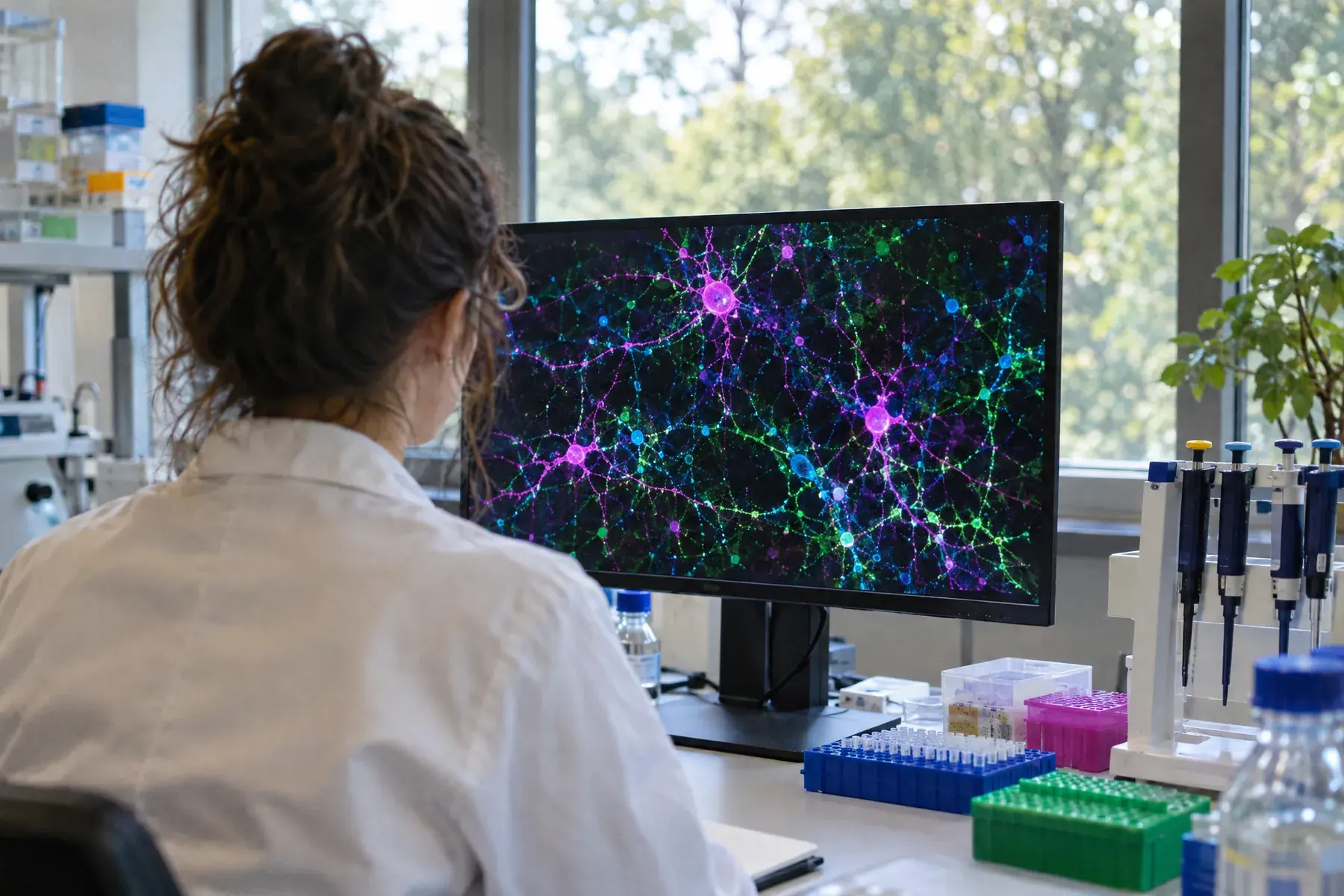
- For more than 10 years, Fondation FondaMental has supported research in immunopsychiatry. Immunologists, epidemiologists, infectious disease specialists, neurobiologists, psychiatrists and psychologists, brought together in national (RTF Immuno-psychiatrie) and international (Immuno-psychiatry ECNP Network) collaborative networks, have shown that nearly 40% of people living with mental illness (depression, bipolar disorders, schizophrenia, autism) carry a low-grade, chronic and persistent inflammation. It arises from the interaction between environmental risk factors and a genetic background that does not allow these patients to defend themselves against attacks such as infections, childhood trauma, air pollution, urban life or poor living conditions.
- Each of these risk factors triggers a defence reaction, which shows in the production of inflammatory markers in the blood, the brain and the gut. The response to these attacks goes through several stages, and we have shown that all of them are compromised in mental illness: the innate, immediate immune response triggers the production of pro-inflammatory cytokines — if it is insufficient, so is the defence; then come the mechanisms that must stop the inflammatory response — if they are insufficient, the inflammation persists and becomes chronic; finally, the adaptive immune response strengthens the inflammatory response and triggers the production of autoantibodies.
Our strengths
- Deployed since 2022, the immunopsychiatry programme has made it possible:
- to define the inflammatory signature found in nearly 40% of patients living with mental illness;
- to understand the consequences of this inflammation on specific biological pathways, which contributed to the discovery of autoimmune psychoses, of the activation of human endogenous retroviruses, of immuno-metabolic pathways and of gut-brain abnormalities;
- to deploy therapeutic trials targeted on mechanisms and groups of patients.
- Since 2022, several key diagnostic and therapeutic milestones have been reached. These results have been published in major scientific journals, presented several times at very large international conferences (2023, 2024, 2025 and 2026), and taken up by the press: in January 2025, L’Express counted them among the 10 major discoveries of the year expected to have a major therapeutic impact.
Objectives
Drawing on Fondation FondaMental’s cohorts, such as the FACE cohorts (FondaMental Advanced Centers of Expertise, Leboyer et al., 2022) and the I-GIVE cohort, the Immunopsychiatry group aims to characterise immune abnormalities in bipolar disorders, schizophrenia, treatment-resistant depression and autism more precisely. Its objective: to identify subgroups of « inflamed » patients, and homogeneous subgroups such as autoimmune psychoses, patients with immuno-metabolic abnormalities or with dysbiosis, in order to offer them targeted therapeutic strategies — the TiM-DePist trial for autoimmune psychoses, the BIPOL-2 trial, which gives small doses of cytokines to patients with bipolar depression, or the Mood Swing trial, a polymicrobiotic therapy in moderate depression. We also seek to understand better the immunogenetic background that shapes each person’s response to environmental risk factors: infections, stress, pollution (review: Le Clerc et al., Biological Psychiatry, 2026).
The subprojects
Each subproject has its own page: its objectives, its leaders, its budget, its podcasts and films.
Therapeutic trials
Autoimmune psychoses and the TiM-DePist trial
A new clinical form of psychotic disorders: autoimmune psychosis, discovered over the past ten years by French and international teams with the support of Fondation FondaMental. In France, the TiM-DePist trial screens for the autoantibodies involved, then tests an immunomodulatory treatment.
Research area · Clinical trials
See the projectBiomarker research
HERV-W retrovirus: a fossil virus awakened in our genome
A major advance: the role of the HERV-W ENV protein in the onset of psychiatric disorders. For nearly 20 years, we have been working with the researchers Hervé Perron (Lyon) and Alexandre Lucas (Toulouse) on the human endogenous retrovirus of the W family (HERV-W), whose envelope protein is found in 40 to 50% of patients living with schizophrenia or bipolar disorders.
Research area · Biomarkers
See the projectBiomarker research
Metabolic psychiatry
What if some mental illnesses were also diseases of energy? In people living with them, metabolic syndrome is 2 to 4 times more common than in the general population, and it is rarely treated. It shortens life, weighs on the illness and is associated with a poorer response to treatment. Fondation FondaMental is running a 4-step programme to understand, predict, prevent and treat it.
Research area · Biomarkers
See the projectTherapeutic trials
The gut-brain axis and the Mood Swing trial
The brain and the gut are in constant dialogue, and the gut microbiota plays a part in several mental illnesses. Mood Swing is a trial of a polymicrobiotic therapy in mild to moderate depression.
Research area · Clinical trials
See the projectBiomarker research
Proteomics: biological signatures beyond diagnoses
Understanding the biological mechanisms of psychiatric disorders better through large-scale profiling of blood proteins: identifying biological signatures and subgroups of patients that go beyond the usual classifications, for precision psychiatry.
Research area · Biomarkers
See the projectTherapeutic trials
BIPOL-2: low-dose interleukin-2 against bipolar depression
A subproject of immunopsychiatry: stimulating the cells that keep inflammation in check, regulatory T cells, in patients with a bipolar depressive episode and inflammation. The trial is funded in part by the Stanley Foundation; it should start in 2027.
Research area · Clinical trials
See the projectTherapeutic trials
Photobip: photobiomodulation and bipolar disorders
A clinical and translational research project to evaluate the effect of a non-invasive photobiomodulation (PBM) device in the treatment of bipolar disorders.
Research area · Clinical trials
See the project
An inflammation whose mechanisms are now better understood
- New autoantibodies against neurotransmitter receptors: after the discovery of autoimmune psychoses linked to NMDA receptors (Jézéquel et al., Nature Communications, 2017), we identified with the Institut Pasteur a new autoantibody targeting an acetylcholine receptor (α7), associated with severe and inflammatory forms (Darrau et al., 2024).
- The activation of the human endogenous retrovirus HERV-W: we confirmed once more (Perron et al., Biological Psychiatry, 2008; Translational Psychiatry, 2012) the rise of the HERV-W ENV envelope protein in 42% of patients with schizophrenia and 30% of bipolar patients, and showed that it is associated with higher levels of some cytokines (IL-6, IL-1 beta) and with a history of childhood trauma, suggesting a « double hit » model (Tamouza et al., Translational Psychiatry, 2021).
- Abnormalities of the kynurenine pathway, described in bipolar disorders and schizophrenia (Morrens et al., Molecular Psychiatry, 2022), linked to the patients’ state (Skorobogatov et al., Brain, Behavior, and Immunity, 2023).
- The immunogenetic background (review: Le Clerc et al., Biological Psychiatry, 2026): we have described the association of bipolar disorders with functional variants of innate immune response genes (TLR) (Oliveira et al., 2017) and with adaptive immune response genes, in particular HLA haplotypes (Tamouza et al., 2021), associated with a good or poor response to lithium (Le Clerc et al., Scientific Reports, 2021); their association with gut abnormalities in autism (Lombardi et al., Translational Psychiatry, 2023); and with probable abnormalities of synaptic pruning in schizophrenia, associated with ancestral HLA haplotypes (Tamouza et al., Acta Psychiatrica Scandinavica, 2020).
- Abnormalities of immune cells: NK (Natural Killer) cells (review: Tamouza et al., 2024) in autism (Bennabi et al., Molecular Autism, 2017) and in first psychotic episodes (Tarantino et al., Molecular Psychiatry, 2021).
- Abnormalities of inflammatory markers: lower BDNF in bipolar patients is linked to mitochondrial dysfunction, inflammation and childhood trauma, opening routes to targeted treatments (Saitoh et al., 2024); the autoimmunity markers BAFF and HLA-E are raised in the acute phase of schizophrenia and bipolar disorder and associated with specific genetic variants (Boukouaci et al.; Mihoub et al., 2024).
Metabolic syndrome, fatty liver and mitochondrial abnormalities
- Metabolic syndrome: we have described its higher prevalence in patients with bipolar disorder, schizophrenia or treatment-resistant depression (Godin et al., 2014, 2015, 2017).
- The mitochondria: a mitochondrial dysfunction, revealed by raised lactate, contributes to metabolic syndrome and to the chronic inflammation of bipolar disorder (Zachos et al., Psychiatry Research, 2024; Bernard et al., Brain, Behavior, and Immunity, 2024).
- Nutrition: diet quality is associated with metabolic risk and with the clinical course of bipolar disorder (Zachos et al., Journal of Affective Disorders, 2024).
- Fatty liver: identifying the clinical, medication-related and inflammatory factors associated with metabolic fatty liver in patients with schizophrenia, with consequences for lifestyle (Tokarski et al., 2025).
Predicting relapse and treatment resistance in schizophrenia
Clinical and inflammatory markers, including IL-17 (Leboyer et al., Schizophrenia Bulletin, 2017) and IL-8, are associated with the risk of psychotic relapse (Barbosa et al., 2025). Inflammation and metabolic syndrome appear as joint risk factors for treatment resistance in schizophrenia, opening the way to early screening and care (Saitoh et al., Psychiatry Research, 2025).
Targeted therapeutic trials
- Low-dose IL-2: the world’s first clinical trial testing this anti-inflammatory cytokine in bipolar depression, with biological and clinical efficacy shown (Leboyer et al., Brain, Behavior, and Immunity, 2025).
- The TiM-DePist trial: a phase III trial, with Bordeaux and the CNRS, of rituximab in patients who carry autoantibodies against the NMDA receptor.
- The BIPOL-2 trial: a second trial of IL-2 immunotherapy in bipolar depression, funded in part by the Stanley Foundation, now being set up.
The first therapeutic trial to reduce chronic inflammation in bipolar depression
- With Prof. David Klatzmann (Pitié-Salpêtrière Hospital, Paris), we carried out a first trial of low-dose IL-2 in bipolar depression (Leboyer et al., Brain, Behavior, and Immunity, 2025). We had previously gathered the evidence for a regulatory T cell (Treg) deficit in depression, and proposed low-dose IL-2 for the subgroup of patients with inflammatory depression: this treatment safely stimulates Tregs in humans and holds back pro-inflammatory Th17 cells.
- Bipolar disorder, above all in its depressive phase, comes with a Treg deficit and raised inflammatory markers. Tregs keep inflammation in check. Low-dose IL-2, developed by David Klatzmann for autoimmune diseases, stimulates them selectively: it could therefore have a therapeutic effect.
- The proof-of-concept, randomised, double-blind, placebo-controlled trial (2 patients on IL-2 for 1 on placebo) added IL-2 to the usual treatment of 14 patients with bipolar depression: 10 on IL-2 and 4 on placebo. The primary, biological endpoint was met: the proportion of Tregs was multiplied by 1.17 on IL-2 (95% CI 1.01-1.34), against 1.01 on placebo (p = 0.042), and the Tregs were activated. Depressive symptoms and overall functioning improved markedly from day 15 in treated patients. The treatment was well tolerated, with no treatment-related adverse effect.
- In conclusion: stimulating Tregs in bipolar depression comes with clinical improvement. These results support the role of inflammation in bipolar disorder and justify evaluating IL-2 as an add-on treatment for major mood disorders. The small sample means they must be confirmed in a larger trial: the BIPOL-2 trial, funded in part by the Stanley Foundation (United States), now being set up, which should start in 2027.
Project leaders

Pr Marion Leboyer
INSERM, AP-HP, UPEC, Chief Executive Officer of Fondation FondaMental
Dr Ryad Tamouza
Immunogenetics, Henri-Mondor Hospital (AP-HP), Inserm U955 (IMRB)
Publications
The papers cited on this page · 13
- Immunogenetic Variants in Major Mental and Neurodevelopmental Disorders
Le Clerc S, Bernard J, Choi J, Andreazza A, Zagury JF, Leboyer M · Biological Psychiatry · 2026
DOI 10.1016/j.biopsych.2026.03.996 - Low-dose interleukin-2 in patients with bipolar depression: a phase 2 randomised double-blind placebo-controlled trial
Leboyer M, Foiselle M, Tchitchek N, Tamouza R, … Rosenzwajg M, Klatzmann D · Brain, Behavior, and Immunity · 2025
DOI 10.1016/j.bbi.2024.09.005 - Pro-inflammatory processes and metabolic syndrome: combined risk of resistance to treatment in patients with schizophrenia from the FACE-SZ cohort
Saitoh et al. · Psychiatry Research · 2025
DOI 10.1016/j.psychres.2025.116557 - Prediction of relapse in a French cohort of outpatients with schizophrenia (FACE-SZ): prediction, not association
Barbosa S, Tamouza R, Leboyer M, … Godin O · Progress in Neuro-Psychopharmacology and Biological Psychiatry · 2025
DOI 10.1016/j.pnpbp.2025.111304 - Clinical and inflammatory markers associated with metabolic dysfunction-associated fatty liver disease in a cohort of individuals with chronic schizophrenia (FACE-SZ)
Tokarski et al. · Journal of Psychosomatic Research · 2025
DOI 10.1016/j.jpsychores.2025.112192 - Serum autoantibodies against α7-nicotinic receptors in subgroups of patients with bipolar disorder or schizophrenia
Darrau … Leboyer M · Translational Psychiatry · 2024
DOI 10.1038/s41398-024-02853-8 - Mitochondria at the crossroad of dysregulated inflammatory and metabolic processes in bipolar disorders
Bernard et al. · Brain, Behavior, and Immunity · 2024
DOI 10.1016/j.bbi.2024.10.008 - Mitochondrial Biomarkers and Metabolic Syndrome in Bipolar Disorder
Zachos et al. · Psychiatry Research · 2024
DOI 10.1016/j.psychres.2024.116063 - Diet quality and associations with lactate and metabolic syndrome in bipolar disorder
Zachos et al. · Journal of Affective Disorders · 2024
DOI 10.1016/j.jad.2024.05.167 - A human leukocyte antigen imputation study uncovers possible genetic interplay between gut inflammatory processes and autism spectrum disorders
Lombardi L, … Leboyer M, et al. · Translational Psychiatry · 2023
DOI 10.1038/s41398-023-02550-y - Identification of inflammatory subgroups of schizophrenia and bipolar disorder patients with HERV-W ENV antigenemia by unsupervised cluster analysis
Tamouza R, Meyer U, Foiselle M, … Perron H, Leboyer M · Translational Psychiatry · 2021
DOI 10.1038/s41398-021-01499-0 - Regulatory T cells as supporters of psychoimmune resilience: toward immunotherapy of major depressive disorder
Ellul P, Mariotti-Ferrandiz E, Leboyer M, Klatzmann D · Frontiers in Neurology · 2018
DOI 10.3389/fneur.2018.00167 - Dynamic disorganization of synaptic NMDA receptors triggered by autoantibodies from psychotic patients
Jézéquel J, … Leboyer M, Groc L · Nature Communications · 2017
DOI 10.1038/s41467-017-01700-3
Interviews, podcasts, videos and talks
- Article · Fondation FondaMental · 2022“Mental disorders are illnesses like any other, with an immune component and inflammation” (in French)An interview with Ryad Tamouza
- Podcast · FondaMental TalkImmunopsychiatry, a new light on mental illness (in French)Marion Leboyer
- Video · Congrès de l’Encéphale · 2023The Encéphale on fire: inflammation and psychoses (in French)Marion Leboyer, with Marc Masson
- Video · Médecine/SciencesThe Médecine/Sciences interviews: the immune route (in French)Marion Leboyer
- Video · YouTubeImmunopsychiatry: Marion Leboyer and Robert DantzerInflammation and depression
- Video · Inserm, JRS · 2017Immunopsychiatry: an interview with Marion LeboyerMarion Leboyer
- Video · Inserm, JRS · 2017Immunopsychiatry: a talk by Ryad Tamouza (in French)Ryad Tamouza
Press, radio and television
- Press · Le Figaro · 13/10/2022Bipolar disorder: “What happens in our head is not separate from the rest of our physiology” (in French)Marion Leboyer
- Press · Le Figaro Vox · 13/02/2024“Given the dire state of psychiatry in France, access to care must urgently be made universal” (in French)An op-ed by Marion Leboyer
- Press · Le Dauphiné · 24/03/2024Immunopsychiatry: a new discipline and a new hope (in French)Marion Leboyer
- Press · Sciences et AvenirThe feats of precision psychiatry (in French)Marion Leboyer
- Press · Notre TempsWith Marion Leboyer, a new look at mental illness (in French)A portrait of Marion Leboyer
- Press · Destination SantéImmunopsychiatry, a source of hope (in French)Marion Leboyer
- Press · Madame Figaro · 29/10/2020“We should check our low mood the way we monitor our heart or lungs” (in French)Marion Leboyer
- Press · Les Généralistes-CSMF · 06/12/2016Targeting inflammation to fight psychiatric illness (in French)Marion Leboyer
- Press · Notre TempsRyad Tamouza, the “Dr House” of psychiatric illness (in French)A portrait of Ryad Tamouza
- Radio · France Inter, Interception · 02/04/2023Bipolar disorders: the despair of patients, the hope of doctors (in French)Marion Leboyer
- Radio · France Inter, La Tête au carréBipolar disorders (in French)Marion Leboyer
Become a sponsor of the project
By funding this project, you make concrete progress possible for the people affected and those close to them.
- Your contribution will be proof of your commitment, which you can highlight in internal and external communication and for your employer brand.
- Fondation FondaMental will acknowledge your support on all its communication materials and in all its publications, in France and internationally. Our team also offers information meetings for your employees, your clients and, more broadly, all your stakeholders.
- Added to this is the tax advantage provided for this type of sponsorship, which Fondation FondaMental, given its status, can offer you.
- These counterparts are proposals and can be added to.
News, podcasts and conferences on this subject
Press releases
- March 2026Depression, schizophrenia, bipolar disorders: detecting inflammation to improve patient care
- November 2025What if some forms of depression were caused by inflammation? An international study opens the way to new treatments
- October 2023Rethinking the diagnosis and treatment of depressive disorders in the light of immune abnormalities: European research paves the way for precision psychiatry
In the press
Research and studies
- July 2026Schizophrenia, depression, autism… an immune system protein could influence brain development
- July 2026Schizophrenia: when the brain’s immune system contributes to the disruption of neural connections
- June 2026Autoantibodies against the α7 receptor: a new avenue for understanding major psychiatric disorders
Podcasts
Other projects to support
Biomarker research
Genetics and mental illness
Analysing the genetic markers of the patient cohorts assembled over fifteen years across the Expert Centre network, to better understand the mechanisms of mental illness and open the way to genetic diagnosis, as has been done in oncology.
Research area · Biomarkers
See the projectBiomarker research
Environmental risk factors and mental illness (PolluPsy)
A case-control study to determine whether exposure to air pollution — over the whole life, then during the periods of neurodevelopment — increases the risk of schizophrenia, bipolar disorder or autism spectrum disorder.
Research area · Pollution and climate
See the projectBiomarker research
Brain imaging and mental illness (Iseult 3)
A clinical research project to study the brains of people living with psychiatric disorders using the world’s most powerful MRI scanner: ISEULT.
Research area · Biomarkers
See the project
Become a donor